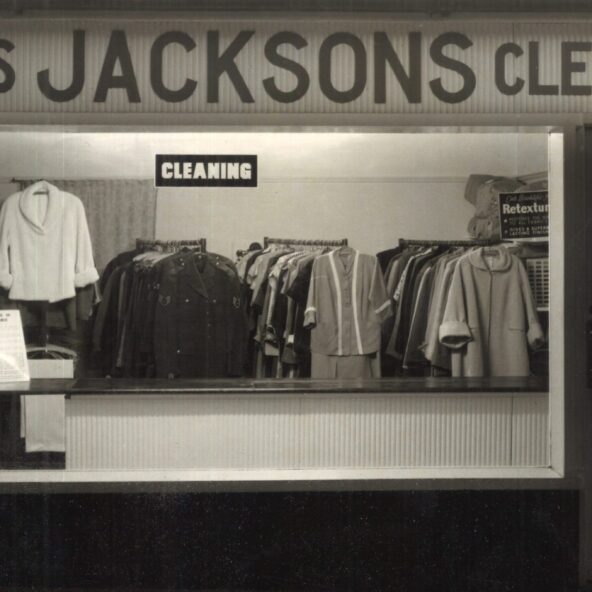
Workwear has come a long way from its modest beginnings, evolving to meet the ever-changing needs of the workplace. As practices, policies and working conditions have changed, workwear has too. In this blog, we will explore the evolution of workwear and how it has transformed from simple functionality to a combination of safety, fashion and comfort. We will also look at how Jacksons Workwear Rental has evolved alongside these changes.
Early Workwear
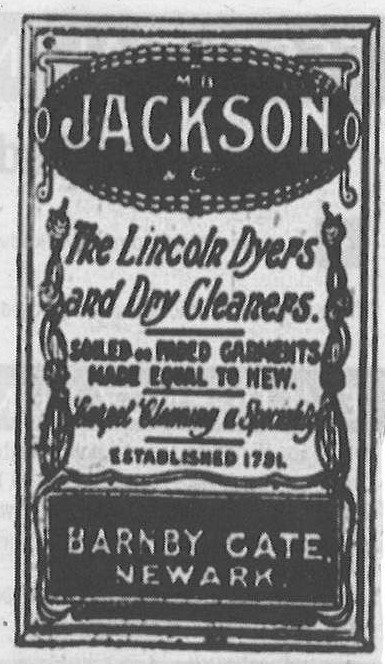
Forms of workwear can be traced back to ancient civilisations where practicality and protection were the only focus. Picture warriors in long coats made of metal, armour worn by knights, and leather aprons worn by blacksmiths. This type of workwear didn’t prioritise comfort but instead focused on keeping the wearer safe. The very beginnings of workwear as we know it started with farmers in the 1700s. Farmers needed durable clothing to protect them whilst working on the land in both hot and cold weather conditions.
Fast forward to the Industrial Revolution, the need for workwear was expanding due to the shift from agriculture to factories and manufacturing. Workwear began to take on a more standardised form to meet the demands of factory life. Although not yet a top priority, health and safety were gaining attention, leading to the introduction of durable garments fit for factory life. Workwear was beginning to be adapted to specific roles, for example factory workers wore collarless shirts to prevent them from getting caught in machinery, while miners relied on thick corduroy overalls for protection. Jacksons Workwear Rental, founded in 1791, was born during this period of industrialisation, providing dyer and dry cleaning services in Newark.
Jacksons move to Lincoln
50 years later in 1841, Jacksons made the move from Newark to Lincoln, positioning itself in a city full of trade and industry. This move marked the beginning of Jacksons long-standing and continued presence in Lincoln. in 1894, one of Jacksons regular contracts involved cleaning jockey silks from Newmarket, which were then delivered by van to the LNER Station. Local deliveries were handles by delivery boys using wicker baskets, as shown in the picture below. Over the years, Jacksons expanded its service and by the 1900s they were cleaning more than 200 pairs of trousers (which required several rinses by hand), 50 raincoats cleaned, re-proofed and re-tinted, and 15 or more eiderdowns.
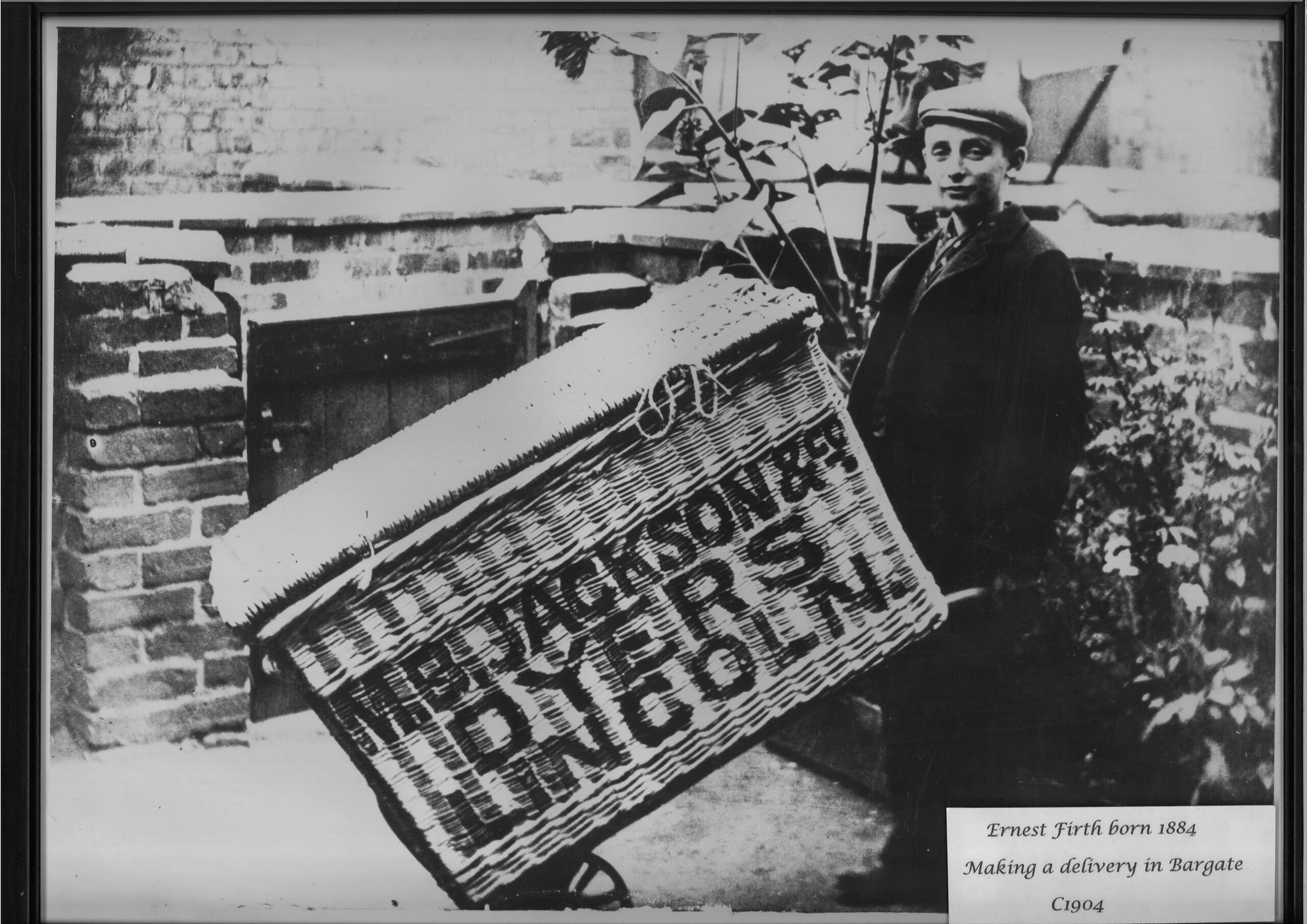
Making deliveries in Bargate C1904
World Wars and Utility
The World Wars played a significant role in shaping workwear. Wartime demands for practicality led to the rise of utility wear. These times were hard for everyone, and laundries throughout the country were struggling. Despite difficulties, Jacksons management team remained strong and in 1923 they bought Lincoln Laundry Co. and become Jacksons Lincoln Laundry Co. which was a great expansion for Jacksons. There was no shortage of work from the many RAF and army units in the area who all needed their workwear washed.
Post-war Era and corporate workwear
After the wars, workwear underwent another transformation and became commonplace in a large range of industries from automotive to hospitality. Workwear in this era was more than just functional; it reflected a company’s image and branding. As demand for dyeing declined, Jacksons shifted its focus to linen and workwear hire services, discontinuing dyeing in Lincoln. They provided linen services for hospitals, restaurants and hotels, and workwear services that still remain today. 70,000 items of laundry were handled each week with workwear being around 18% of the business. Just like today, contracts were an important source of income for Jacksons Laundry and in 1979, they gained a contract from the county hospital.

Modern Workwear
Today, workwear has evolved to prioritise safety, comfort, style and sustainability. Technological advancements and modern materials have completely transformed workwear and comfort, style and safety now blend seamlessly. For example, nanoengineered fabrics allow for lighter, stronger and more breathable clothing.

As we look to the future, sustainability is becoming a driving factor in workwear. Eco-friendly materials and manufacturing processes are changing the landscape once again. Garments will be expected to last longer and be of better quality and instead of the throwaway culture emphasised by the mass production era, more businesses will begin to focus on prolonging the lifespan of garments. New knowledge around health and safety will see further personalisation in workwear and PPE, and more businesses will start providing employees with workwear which helps mitigate health issues.
At Jacksons Workwear Rental, we’re committed to providing the best workwear solutions for our customers by blending the timeless principles of traditional workwear workwear with modern design and sustainability. Join us as we continue to evolve and shape the future of workwear together. We are excited to see what the future holds! Contact us here to find out more.
Written by Anna Ross, Marketing Administrator – April 2024